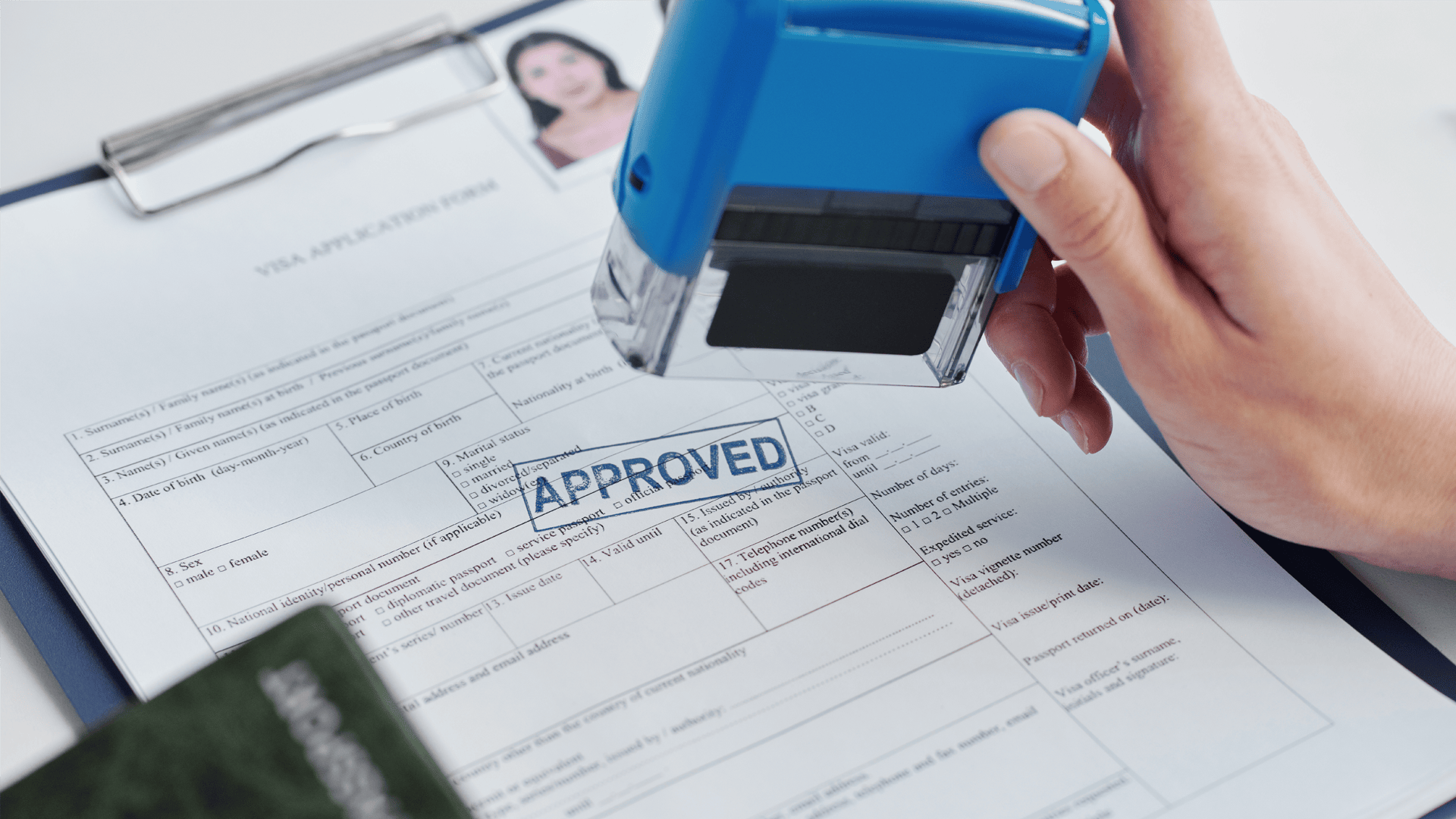
For professionals planning a move in 2026, securing a European work visa remains one of the most decisive hurdles in any relocation. Some EU member states, however, have continued to refine their immigration frameworks — simplifying procedures, lowering qualifying salary floors for shortage roles, and creating fast-track pathways aimed squarely at attracting non-EU talent. Below, we revisit the European countries offering the most straightforward work visa processes this year, with the latest 2026 thresholds and processing times factored in.
The Netherlands: transparent and streamlined pathways
The Netherlands remains one of Europe’s most welcoming jurisdictions for international professionals. Its Highly Skilled Migrant Programme allows recognised sponsors to bring non-EU nationals on board quickly — typically within two to four weeks once the file is complete. The Dutch tax authorities also continue to operate the expat scheme (formerly known as the 30% ruling), which lets eligible employers reimburse up to 30% of an expatriate’s gross salary tax-free during 2026. The maximum salary eligible for the ruling is capped at €262,000 in 2026, with the tax-free percentage scheduled to reduce from 30% to a fixed 27% as of 1 January 2027 for new entrants.
For 2026, the qualifying gross salary thresholds are €48,013 for standard applicants and €36,497 for employees under 30 who hold a recognised master’s degree. Demand is particularly strong in IT, engineering, finance and the broader STEM space. Self-employed individuals and freelancers (ZZP’ers) can also apply through the Dutch Entrepreneur Visa, which assesses applicants on innovation, experience, and the contribution their activity is expected to make to the Dutch economy. For UK citizens and other third-country nationals, this remains one of the clearest commercial routes into the European single market.
Sweden: stricter standards but still efficient
Sweden continues to attract qualified non-EU talent, though 2026 brings the most significant reform of its labour immigration framework in over a decade. From 1 June 2026, the minimum salary requirement for new work permits will rise to at least 90% of the median Swedish salary — equivalent to SEK 33,390 per month at the time of writing, up from SEK 29,680 previously. The new threshold replaces the older “good living” standard and applies to first-time work permit decisions issued on or after that date.
The process itself remains largely digital. Where the employer is certified by the Swedish Migration Agency (Migrationsverket), straightforward applications are typically decided within ten business days; other cases generally take one to three months. From 1 June 2026, applicants planning to stay for up to one year must also hold comprehensive Swedish health insurance, and employers face stricter compliance checks tied to past sanctions, tax offences or labour exploitation. Permit holders may still bring their families, who are entitled to work, and entrepreneurs can apply via the Swedish Start-up Permit to establish a business with access to the wider EU market.
Luxembourg: gateway to the EU with high salaries
Luxembourg, one of the EU’s wealthiest and most stable economies, continues to offer accessible work visas for skilled non-EU nationals. The EU Blue Card remains the most widely used route, providing a fast-track option for applicants who hold a recognised higher-education qualification and a job offer at or above the national salary threshold. The Blue Card is portable across the EU after a qualifying period, which is particularly useful for professionals planning a longer European career.
With a trilingual workforce (French, German and Luxembourgish, supplemented by widespread English), strong financial-services and technology clusters, and proximity to Brussels, Frankfurt and Paris, Luxembourg is a strategic choice for senior professionals seeking a secure base in the heart of Europe. Onboarding through an established global employment partner can shorten time-to-hire from several weeks to a matter of days.
Cyprus: Mediterranean lifestyle meets business simplicity
Cyprus has consolidated its position as a base for remote workers, international businesses and tech entrepreneurs in 2026. The country’s Digital Nomad Visa remains popular with non-EU professionals, requiring a stable monthly net income of at least €3,500 (with stepped uplifts for spouses and dependants), and the EU Blue Card scheme is also available for higher-skilled hires. Work-permit processing times remain among the fastest in the EU — typically four to six weeks for complete files.
The 2026 tax reform package, in force from 1 January 2026, has further strengthened the island’s appeal: the non-dom regime continues to offer a 17-year exemption from the Special Defence Contribution on dividends, interest and rental income, the personal income tax-free threshold has risen to €22,000, and the 60-day tax residency rule has been simplified by removing the requirement to prove non-residency elsewhere. Cyprus is also on track to formally join the Schengen Area during 2026, which will further reduce friction for cross-border travel by Cypriot residents and visiting executives.
Ireland: tech-driven and open to global talent
Ireland has continued to refine its employment-permit system, and 2026 brings a fresh round of salary uplifts under the Department of Enterprise, Tourism and Employment’s Minimum Annual Remuneration roadmap. As of 1 March 2026, the Critical Skills Employment Permit — Ireland’s flagship route for highly skilled non-EEA workers — requires a minimum annual salary of €40,904 for listed occupations, or €68,911 for roles outside the Critical Skills Occupations List. A reduced graduate threshold of €36,848 applies to applicants who qualified within the previous twelve months.
The Critical Skills route covers a wide range of in-demand roles — including software developers, ICT security specialists, professional engineers, medical practitioners and registered nurses — and supports immediate family reunification through Stamp 1G permissions. With major global firms such as Google, Meta, Apple, Pfizer and Intel maintaining significant operations across Dublin, Cork and Galway, the Irish job market remains rich with opportunity. From September 2024 onward, permit holders may also change employer (within the same occupation classification) after just nine months, rather than the previous twelve.
At-a-glance comparison: 2026 thresholds and processing times
Country
Headline route
Minimum salary (2026)
Typical processing
Netherlands
Highly Skilled Migrant + Expat Scheme
€48,013 (€36,497 under-30 master’s)
2–4 weeks
Sweden
Standard work permit
SEK 33,390/month (from 1 June 2026)
10 days–3 months
Luxembourg
EU Blue Card
National Blue Card threshold (sector-dependent)
4–8 weeks
Cyprus
EU Blue Card / Digital Nomad Visa
€3,500/month net (Digital Nomad)
4–6 weeks
Ireland
Critical Skills Employment Permit
€40,904 (€68,911 off-list)
8–12 weeks
Figures are indicative of regular employer-sponsored routes in 2026; specific cases — researchers, intra-company transferees, EU Blue Card holders and family members — may attract different thresholds and timelines.
Summary
In 2026, EU work-visa thresholds are rising in most jurisdictions but processing remains highly predictable for compliant employers.
The Netherlands keeps the 30% rate on its expat scheme through 2026, with a confirmed shift to 27% from 1 January 2027.
Sweden’s new 90%-of-median-salary rule from 1 June 2026 will reshape labour migration in lower-paid sectors.
Cyprus’s 2026 tax reform makes the island materially more attractive for relocating professionals and businesses.
Ireland’s Critical Skills Permit remains the fastest direct route to Stamp 4 residence for technology and engineering talent.
Where opportunity meets Access Financial
Securing a work visa should not be a barrier to international opportunity. Countries such as the Netherlands, Sweden and Ireland have built efficient, transparent systems to support skilled migration, while jurisdictions like Cyprus and Luxembourg add favourable tax frameworks and strategic geographic positioning into the mix.
Whether you are planning a long-term relocation, expanding into a new EU market, or hiring international talent into an existing operation, choosing a country with an accessible visa process means you can focus on what matters most — building your career, growing your business, or experiencing life from a new perspective. Access Financial works with corporates, recruitment agencies and contractors across more than 60 jurisdictions, combining Employer of Record, Agent of Record, immigration assistance and payroll into a single onboarding pathway. Contact our specialists for in-depth, country-specific guidance.